
What a Chemical Credit Application Should Ask
A standard credit application tells you who the client is. A chemical account also has to tell you what they're buying, what it's for, and who can order it.
The rule here
- Applies to
- Listed chemicals, tableting machines and encapsulating machines1
- New customer
- Verify the business exists and looks valid. A credit bureau check is one way1
- Buyer list
- Keep authorized buyers on file. It may be updated yearly rather than on each order1
- New representative
- Verify their claimed authority1
A standard business credit application asks who the customer is. It wants the legal name and any trade name, the tax ID, the owners, a bank reference, 3 trade references, the limit and terms requested, and a signature that makes someone answerable for the debt.
For a chemical credit application, that's half the form. Federal rules already expect a seller of List I chemicals to verify that the business ordering exists before the order ships, and 21 CFR 1310.07 names the local credit bureau as one way to do it. The rule puts your credit check and your chemical check in the same file. A chemical credit application asks who the customer is, what they're buying, what it's for, and who is allowed to order it.
Every template has the standard fields. Chemical accounts need 6 more.
- Legal and trade name
- Tax ID
- Owners and years in business
- Bank reference
- Trade references
- Limit and terms requested
- Signature and guarantee
- Products and gradesWith CAS numbers for anything regulated
- End useIn their words
- Delivery sitesAnd what each can receive
- Export destination and end user
- Authorized buyersBy name
- How the client tells you a buyer has left
The standard fields are the ones your bank would recognize. They price the risk that a client won't pay. The chemical fields price the risk that they shouldn't have the product at all, or can't receive it safely, and that risk doesn't show up in a trade reference.
Products and end use belong on the application, in the client's own words.
Ask which products and grades the company expects to buy, with CAS numbers for anything regulated, and what they'll make or do with them. A stated end use is only a claim, but it's a claim on the record, signed by the person asking for terms. When the orders stop matching it, your team has something to check them against.
Ask where each product will be delivered and what each site can take. A plant that receives bulk tank trucks and a lab that takes 4 liter bottles are 2 different accounts for logistics, even under one tax ID. If anything will leave the country, ask for the destination and the end user. For List I exports, the same rule asks for a good faith inquiry into the foreign business through public directories or official documents.
The buyer list is the field most applications leave out.
The rule's most practical line is about people. For a new customer that isn't an individual or a cash buyer, you establish who the authorized purchasing agents are and keep their signatures or credentials on file. The list may be updated once a year rather than on every order, and shipments go out only on an order from an agent of record. When an account sends a new representative, you verify that person's authority before you act on their order.
So the application should ask for the buyers by name, with a contact for each, and say how the account tells you when one leaves.
Most of your products aren't on List I.
The rule binds listed chemicals, tableting machines, and encapsulating machines. For most solvents, resins, and additives, no rule requires the chemical fields. They still earn their place, because the questions that protect a regulated sale are the same ones that tell your credit team what a client will really order and where it will go.
A desk that never hears a buyer has left keeps taking orders in that buyer's name.
Sources.
- 21 CFR 1310.07 Electronic Code of Federal Regulations.Published as a live text · Checked Oct 30, 2026

See what AI-native operations look like
Vailent embeds AI into the daily work of chemical and polymer distributors and producers: quoting, onboarding, inventory, and daily intelligence.
Book a DemoKeep reading
TSCA PFAS Reporting Deadline Falls in 2027 for Chemical Importers
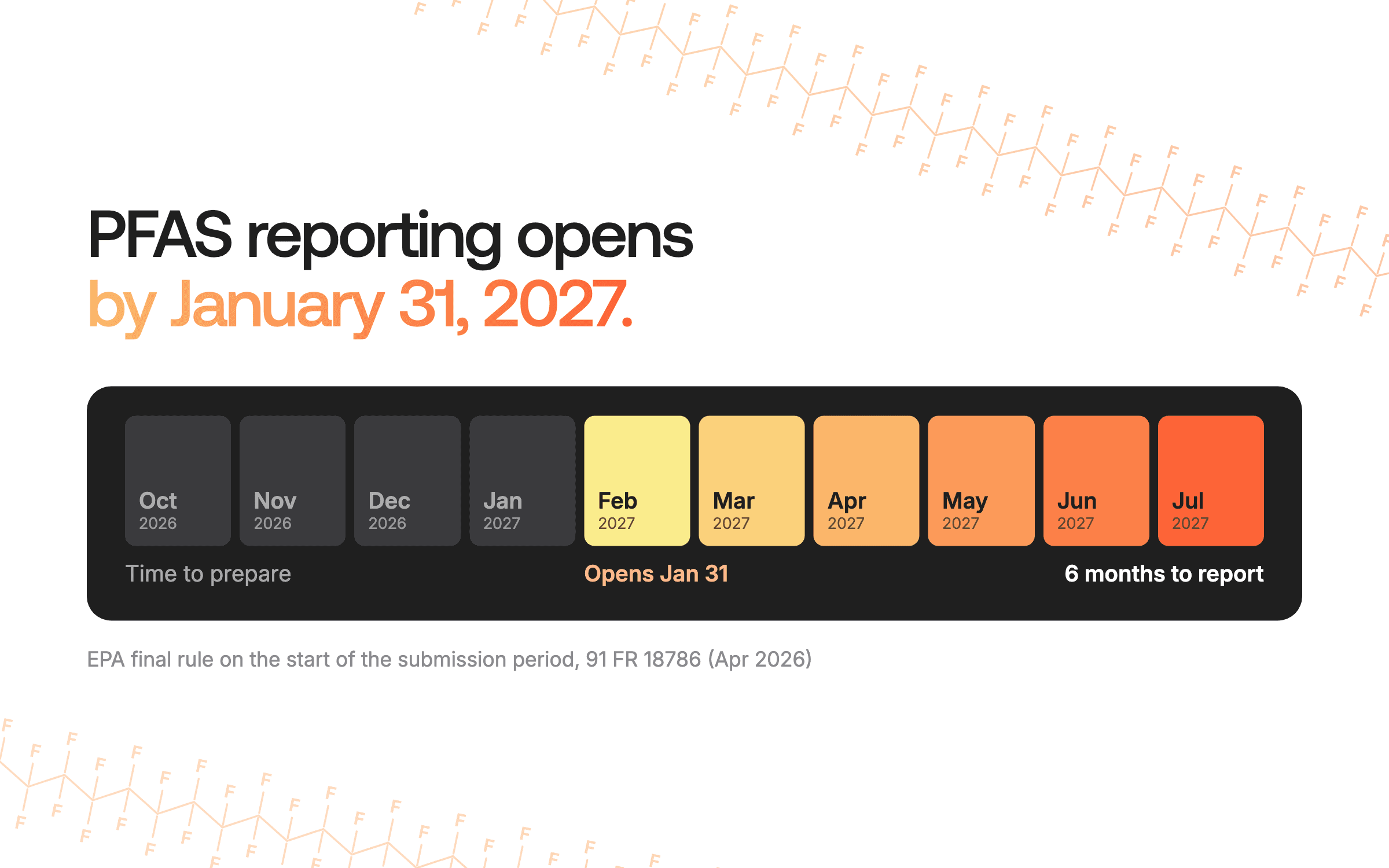
The window opens by January 31, 2027 and runs 6 months. EPA hasn't finished the rule that decides who reports, so the look-back to 2011 is due either way.
Chemical Quote Automation Needs Prices That Hold
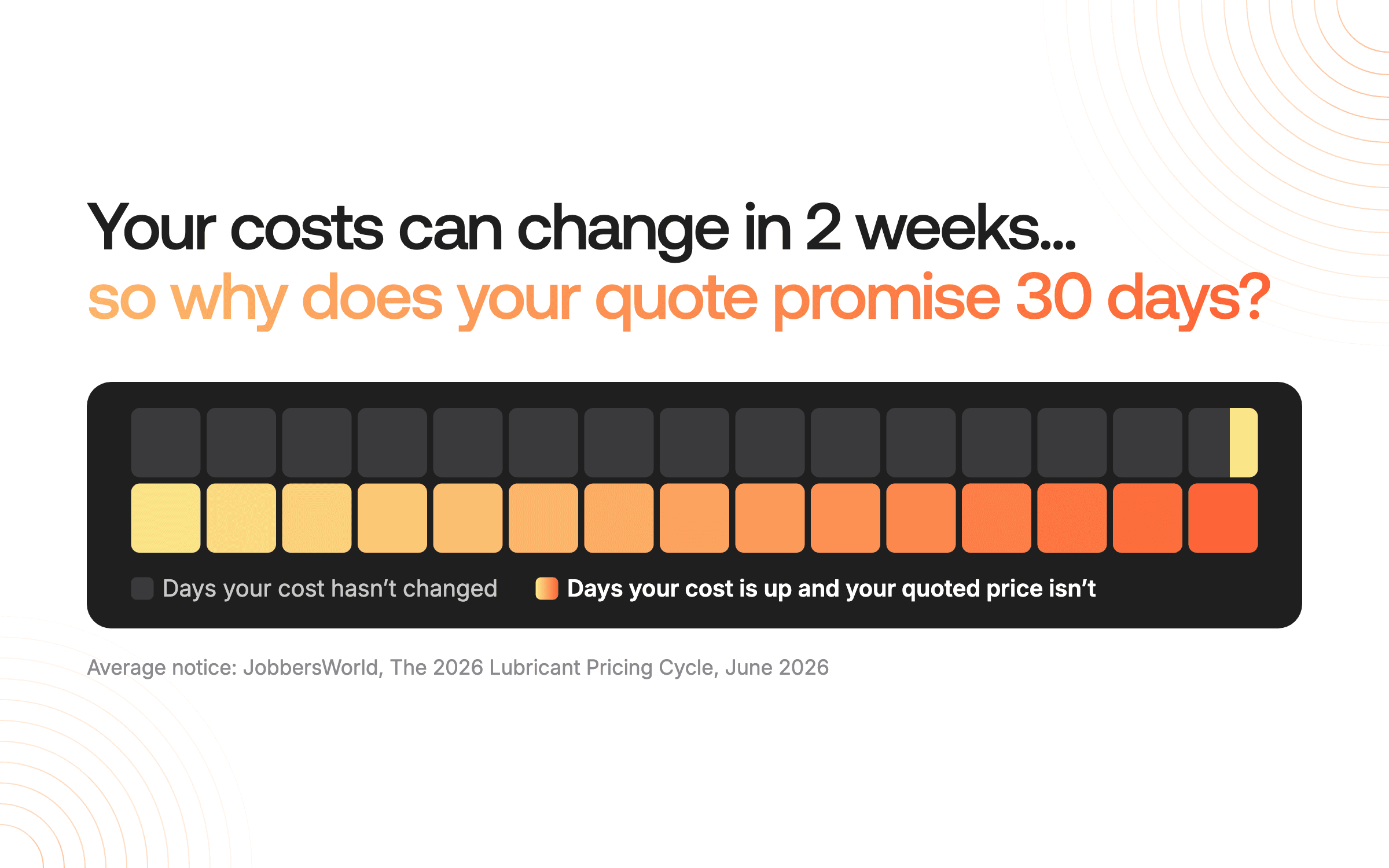
What quote automation should check before a chemical quote goes out, so the margin you quote is the margin you keep when a supplier's next increase lands.
The AI Divide Has Reached Chemical Distribution
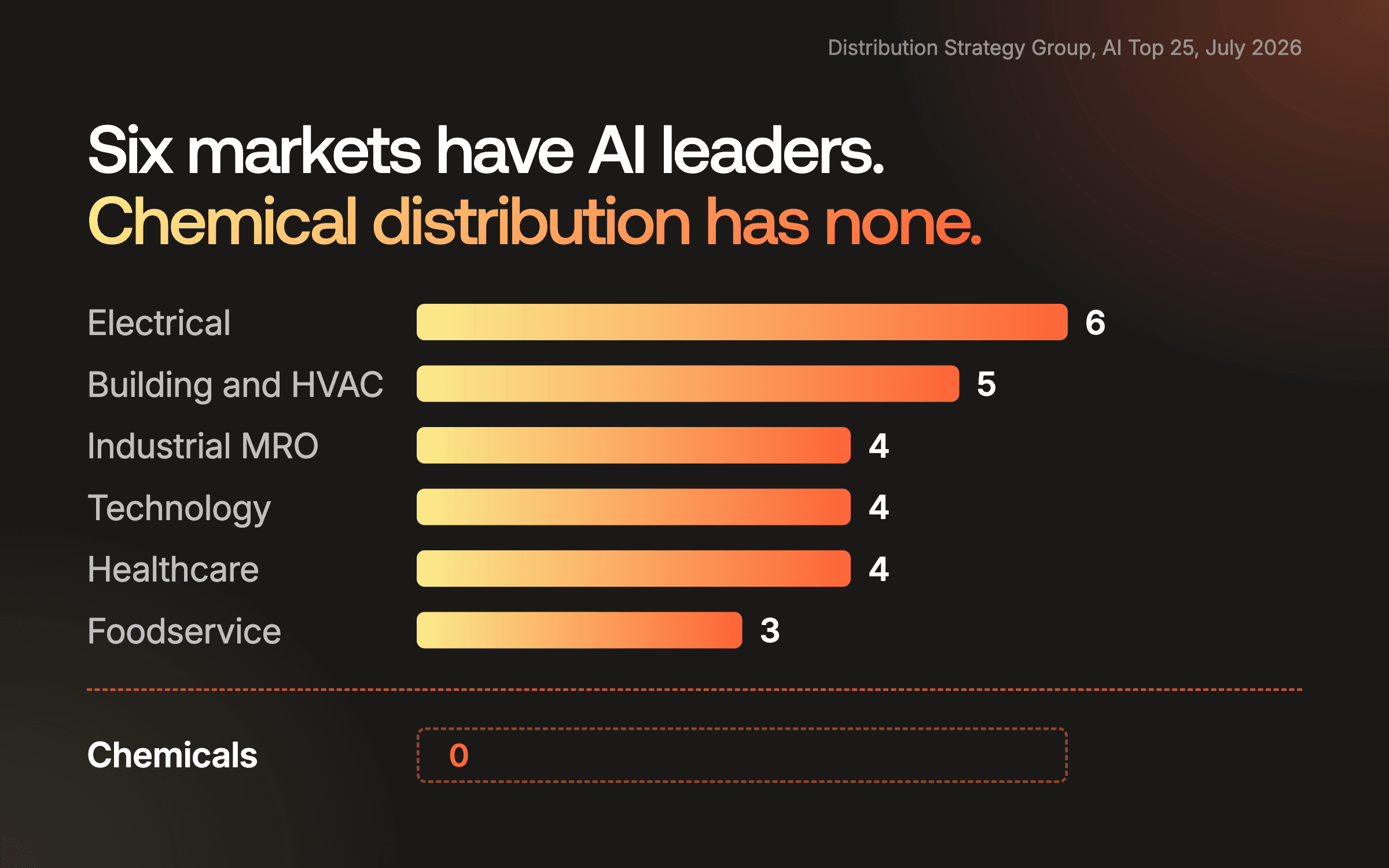
Distribution Strategy Group checked 300+ distributors for AI in production. 26 passed. Not one is a chemical distributor. Here's what they did first.