
TSCA PFAS Reporting Deadline Falls in 2027 for Chemical Importers
The window opens by January 31, 2027 and runs 6 months. EPA hasn't finished the rule that decides who reports, so the look-back to 2011 is due either way.
The dates here
If your company imported a chemical at any point from 2011 to 2022, EPA's PFAS reporting rule asks what you knew about what was in it. Under the rule as it stands, the window to answer opens on January 31, 2027 at the latest, and the TSCA PFAS reporting deadline falls 6 months after that.
That date comes from EPA's April 13, 2026 rule, the 3rd time the start has moved. Congress added the requirement to TSCA in the defense bill for fiscal year 2020, and EPA's 2023 rule reaches back to every year from 2011 through 2022.
EPA, Federal Register, April 13, 20261
Reporting was first due to start in November 2024.
Nov 12, 2024Set by the final rule in October 2023.Jul 11, 2025Moved in September 2024, when EPA's reporting software ran late.Apr 13, 2026Moved in May 2025, for more software delays and time to read comments.- Jan 31, 2027Set in April 2026. Or 60 days after EPA's final rule, if that comes first.
3 moves since 2023, and the last one has a backstop. The window opens on January 31, 2027 at the latest, then runs 6 months. Small companies that only imported articles get 12.
2 versions of the rule share a start date.
The rule in force is EPA's 2023 final rule. EPA estimated it would reach 131,410 respondents, and it set no minimum amount and no exemption for imported finished goods.
In November 2025, EPA proposed 6 exemptions, for imported articles, PFAS at or below 0.1%, byproducts, impurities, research and development, and non-isolated intermediates. Under that version, EPA estimates 255 firms would report, and 127,469 small companies that only imported articles would no longer be covered.
| The 2023 rule, in force2 | The 2025 proposal, not final3 | |
|---|---|---|
| Companies EPA expects to report | The 2023 rule, in forceAbout 131,410 | The 2025 proposal, not final255 |
| PFAS inside imported finished goods | The 2023 rule, in forceCovered | The 2025 proposal, not finalExempt |
| PFAS at or below 0.1% of a product | The 2023 rule, in forceCovered | The 2025 proposal, not finalExempt |
| Years covered | The 2023 rule, in force2011 through 2022 | The 2025 proposal, not final2011 through 2022 |
| Window opens | The 2023 rule, in forceJanuary 31, 2027 at the latest | The 2025 proposal, not finalThe same date |
EPA expects to finish the new version before January 31, 2027. The proposal went through White House review before it was published. As of October 28, the final version isn't on the list of rules under that review.
Every importer has to search before it knows whether it reports.
The rule covers what a company knew, or could reasonably ascertain, about the PFAS it made or imported. EPA's own proposal says more companies will need to search their records than will end up reporting.
That search is the 12-year look-back, every import from 2011 through 2022 checked against the rule's definition of PFAS. EPA counts 1,462 known substances that meet that definition and says the count isn't the whole universe.
The 2 exemptions that remove the most companies, imported articles and the 0.1% level, don't cover a company that imported a PFAS chemical, or a mixture above 0.1%. That company has a look-back to do under either version.
3 parts of the rule are still open.
Which version opens the window.
If EPA finalizes the new rule first, reporting starts 60 days after it takes effect. If it doesn't, the window opens on January 31, 2027 under the rule in force. EPA says it will announce the date in the Federal Register.
Which exemptions survive.
EPA received nearly 600 unique comments, plus more than 8,500 from 2 mail-in campaigns, and may finalize all, some, or none of the changes.
Whether the date holds.
It has moved 3 times since 2023, twice because the reporting software ran late.
Start the look-back this quarter.
None of these steps depends on which version EPA finalizes.
- 1
List every import from 2011 through 2022.
Purchasing and customs records, by year and by product.
You leave withOne list to check.
- 2
Mark which were chemicals or mixtures, and which were finished goods.
Finished goods are the imports the proposal would exempt.
You leave withYour exposure under each version.
- 3
Find what was in each one.
Where your file doesn't say, the supplier is the next place to ask.
You leave withA composition on file for every line.
- 4
Write down what you checked and what you found.
Reporters must keep records for 5 years after the window closes.
You leave withA record of the search.
 Vailent moduleCatalog
Records kept by substance end the scramble.
What your company imported in 2014 sits in purchasing records, supplier files, and safety data sheets, usually filed by date and by supplier. Checking 12 years of them against the PFAS definition by hand is the slow part.
Catalog takes that work off your team. Drop in safety data sheets and technical data sheets, old or new, and it reads the grades, properties, and safety data into substance records you can search by CAS number. Each substance is tracked against live regulation feeds, so when a rule changes, every product it touches is rechecked and its record stays current without anyone re-screening the portfolio by hand. When EPA settles this rule, your team reviews what changed and makes the calls. It works on your own records and sits on top of the ERP and files you have today.
In November 2025, EPA wrote that data have not yet been submitted under the PFAS reporting rule. The first reports are due within 6 months of a date that's at most 14 weeks away.
Sources.
- Modification to the Start of the Submission Period for PFAS Reporting and Recordkeeping Under TSCA 8(a)(7) U.S. Environmental Protection Agency. Final rule, 91 FR 18786.Published April 13, 2026 · Checked Oct 22, 2026
- Toxic Substances Control Act Reporting and Recordkeeping Requirements for Perfluoroalkyl and Polyfluoroalkyl Substances U.S. Environmental Protection Agency. Final rule, 88 FR 70516.Published October 11, 2023 · Checked Oct 22, 2026
- PFAS Data Reporting and Recordkeeping Under TSCA; Revision to Regulation U.S. Environmental Protection Agency. Proposed rule, 90 FR 50923.Published November 13, 2025 · Checked Oct 22, 2026
- Regulatory reviews pending under Executive Order 12866 Office of Information and Regulatory Affairs, reginfo.gov.Published as a live list · Checked Oct 28, 2026

See what AI-native operations look like
Vailent embeds AI into the daily work of chemical and polymer distributors and producers: quoting, onboarding, inventory, and daily intelligence.
Book a DemoKeep reading
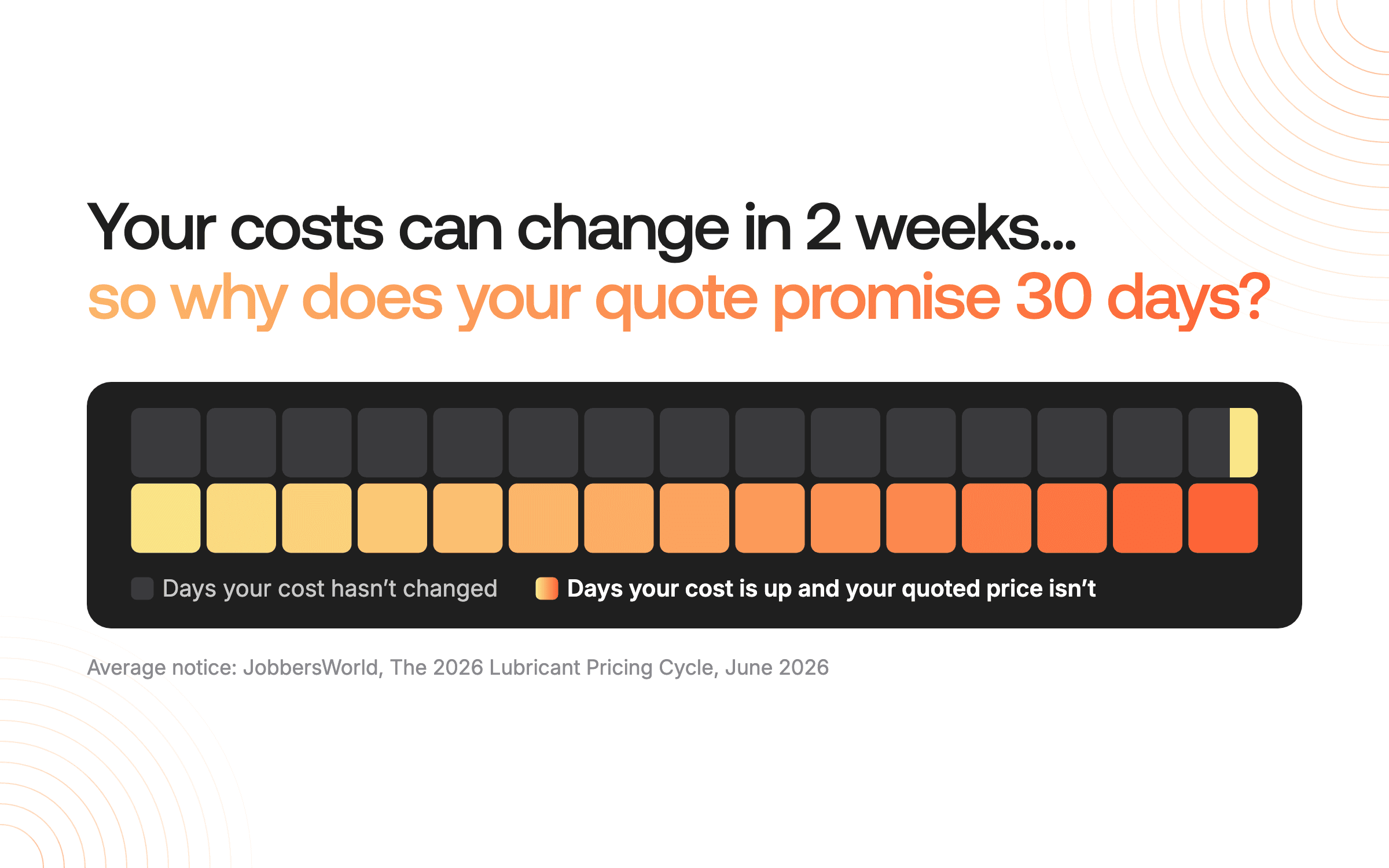
Chemical Quote Automation Needs Prices That Hold
What quote automation should check before a chemical quote goes out, so the margin you quote is the margin you keep when a supplier's next increase lands.
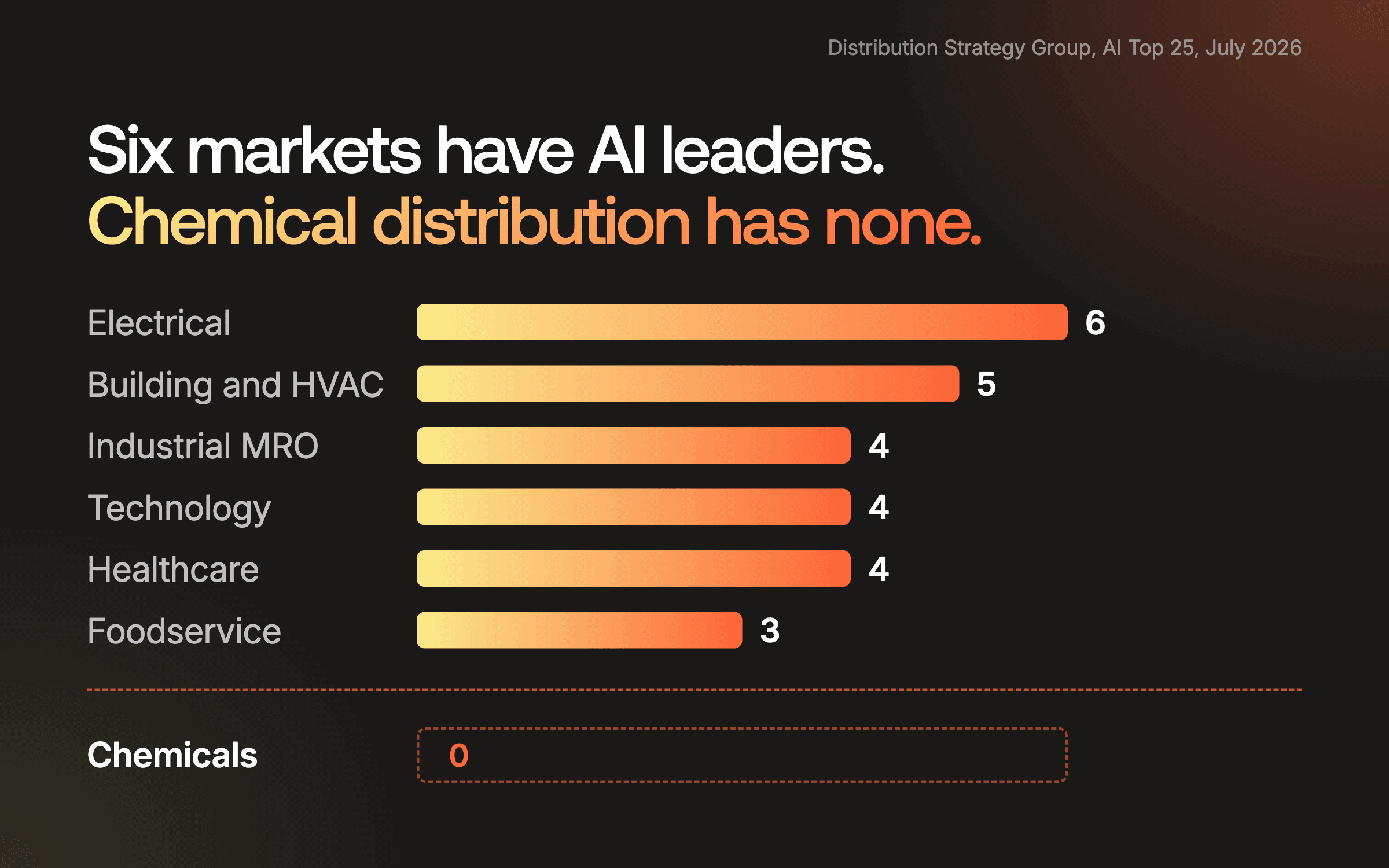
The AI Divide Has Reached Chemical Distribution
Distribution Strategy Group checked 300+ distributors for AI in production. 26 passed. Not one is a chemical distributor. Here's what they did first.

Chemical AI Should Take the Busywork. People Keep the Hard Cases.
Every chemical distributor is getting the same AI tools at once. The edge left is judgment, and people only build it on the work AI shouldn't take.